About Lyde Green Pottery
Lyde Green Pottery is a sustainable, community-focused wood-firing and wild clay resource founded by ceramic artist Phil Root in North Bristol. Originally established as a public art commission in 2021, the project has evolved into a shared resource for artists, potters and the wider community. Situated in an area with a rich industrial heritage, once home to a thriving brickmaking industry, the pottery draws inspiration from its local landscape, history and natural materials. At its heart is a wood-fired kiln, constructed using waste materials from local new-build housing, alongside opportunities to explore, collect and process the abundant local earthenware clay.
The pottery aims to reconnect people with the origins of ceramic materials and the transformative processes of making and firing. Through wood firing, workshops and shared learning, Lyde Green Pottery encourages a more considered and sustainable approach to ceramics, exploring the potential of locally sourced clay, recycled materials and wood ash. It provides a space for experimentation, collaboration and knowledge exchange, bringing people closer to the materials, processes and environment that shape ceramic practice. More than simply a place to fire work, Lyde Green Pottery is an evolving community resource built around a shared interest in material exploration, traditional firing techniques and our relationship with the natural world.
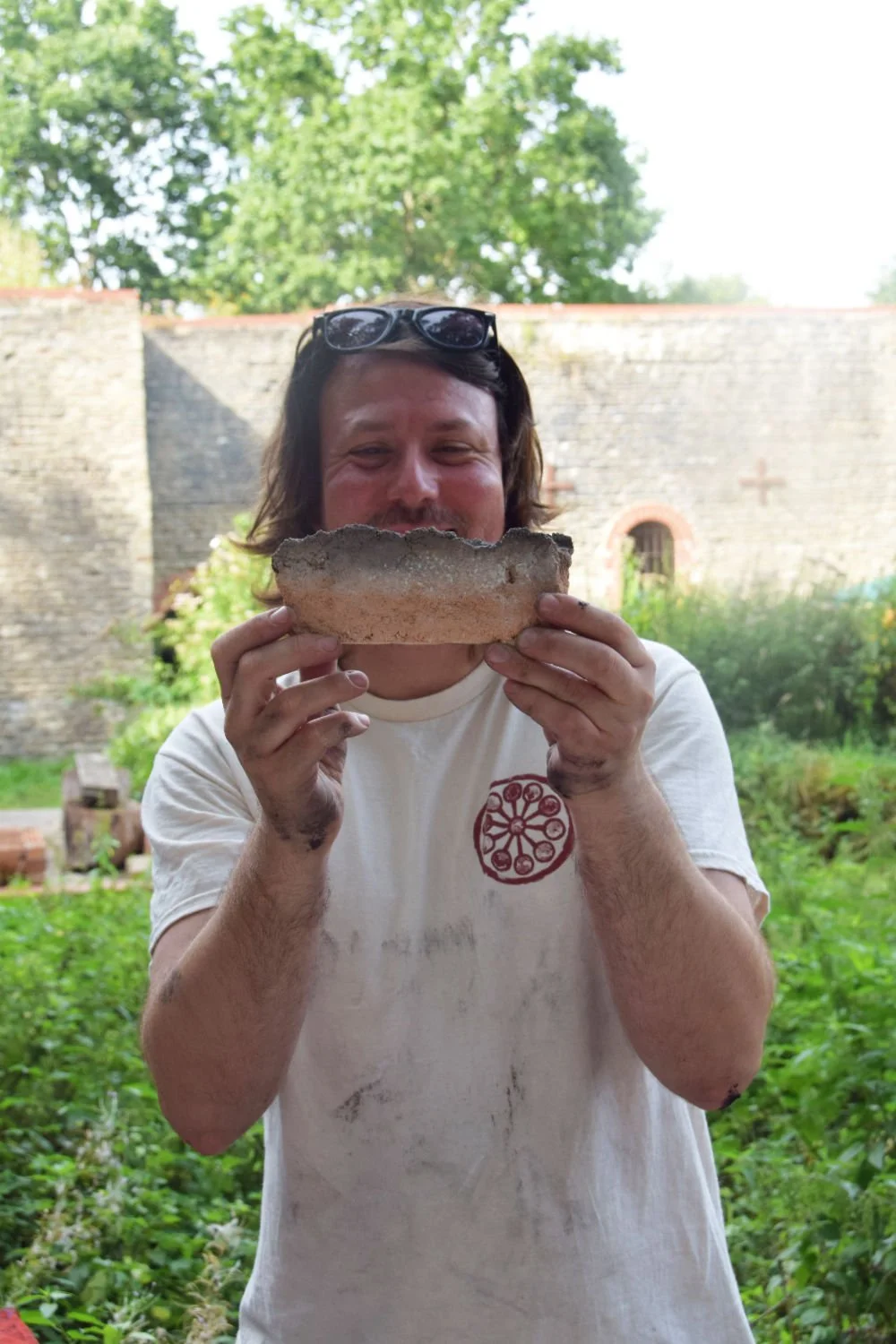
Woodfiring has ancient roots, its practice stretching back millennia to early kiln technologies in East Asia and the Near East, where potters discovered that wood ash and varying flame paths could produce rich, unpredictable surfaces; over centuries the technique evolved through the development of anagama and noborigama kilns in Japan and elaborate fuel-management methods in China and Korea, and was later adapted in Europe during the medieval period. The 20th century saw a renewed interest among studio potters, who prized woodfire’s capacity to render unique, unrepeatable effects, natural ash glazes, flashing, and complex colouration produced by subtle shifts in atmosphere and temperature, leading to its adoption in both traditional ateliers and contemporary ceramic art. Today woodfiring is both a craft and an artistic choice, valued for the material dialogue it creates between flame, clay and time, and sustained by communities that maintain historical firing practices while experimenting with new forms and kiln designs.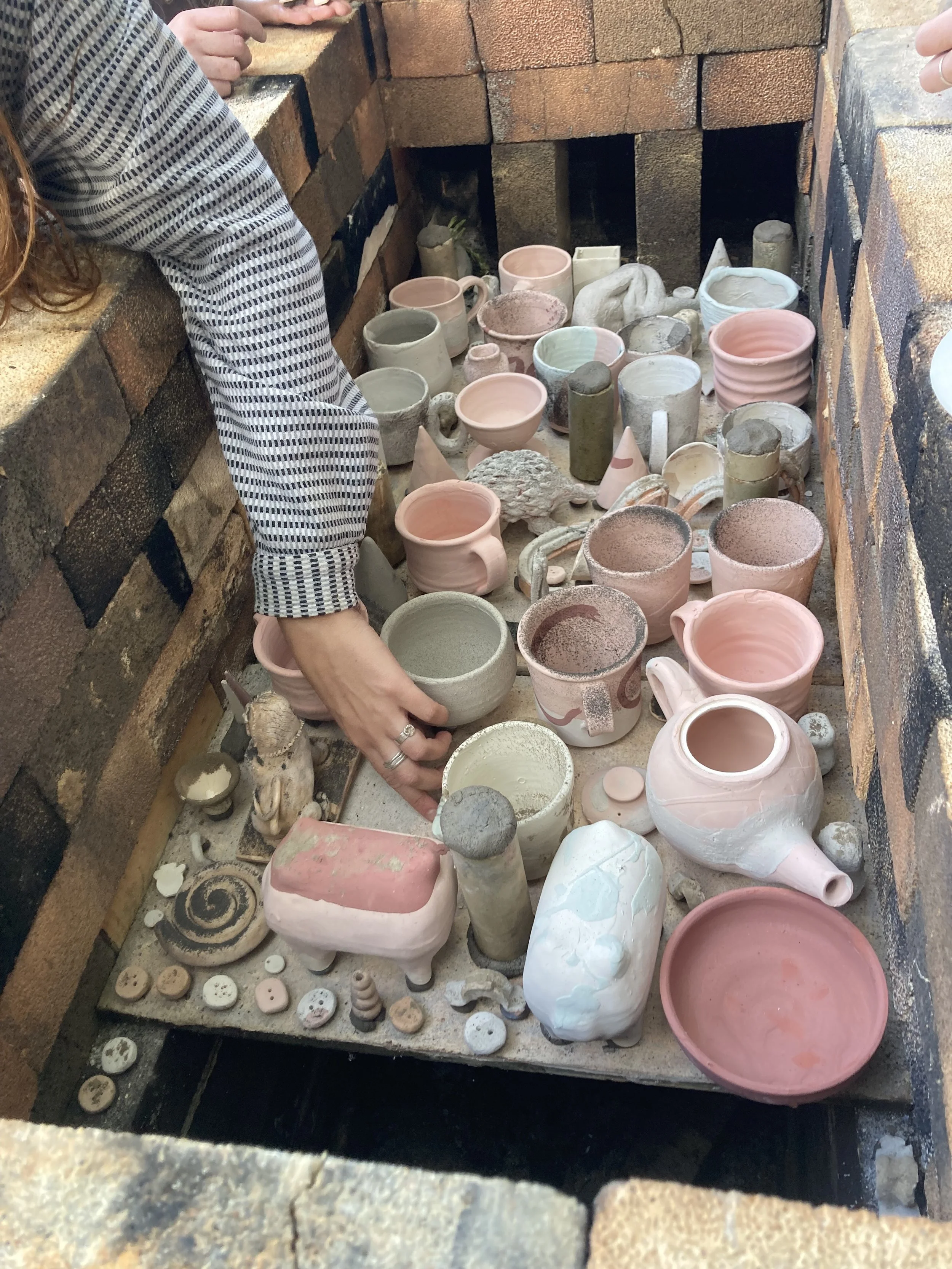
How our firing courses work:
Day OneGlazing work and loading the kiln
We establish shared objectives, outline solutions, and set performance metrics that frame the comprehensive experience ahead.
Check-In11:00 – 11:30
Group Glazing11:30
Lunch Break13:00
Kiln pack14:00
Dinner18:00
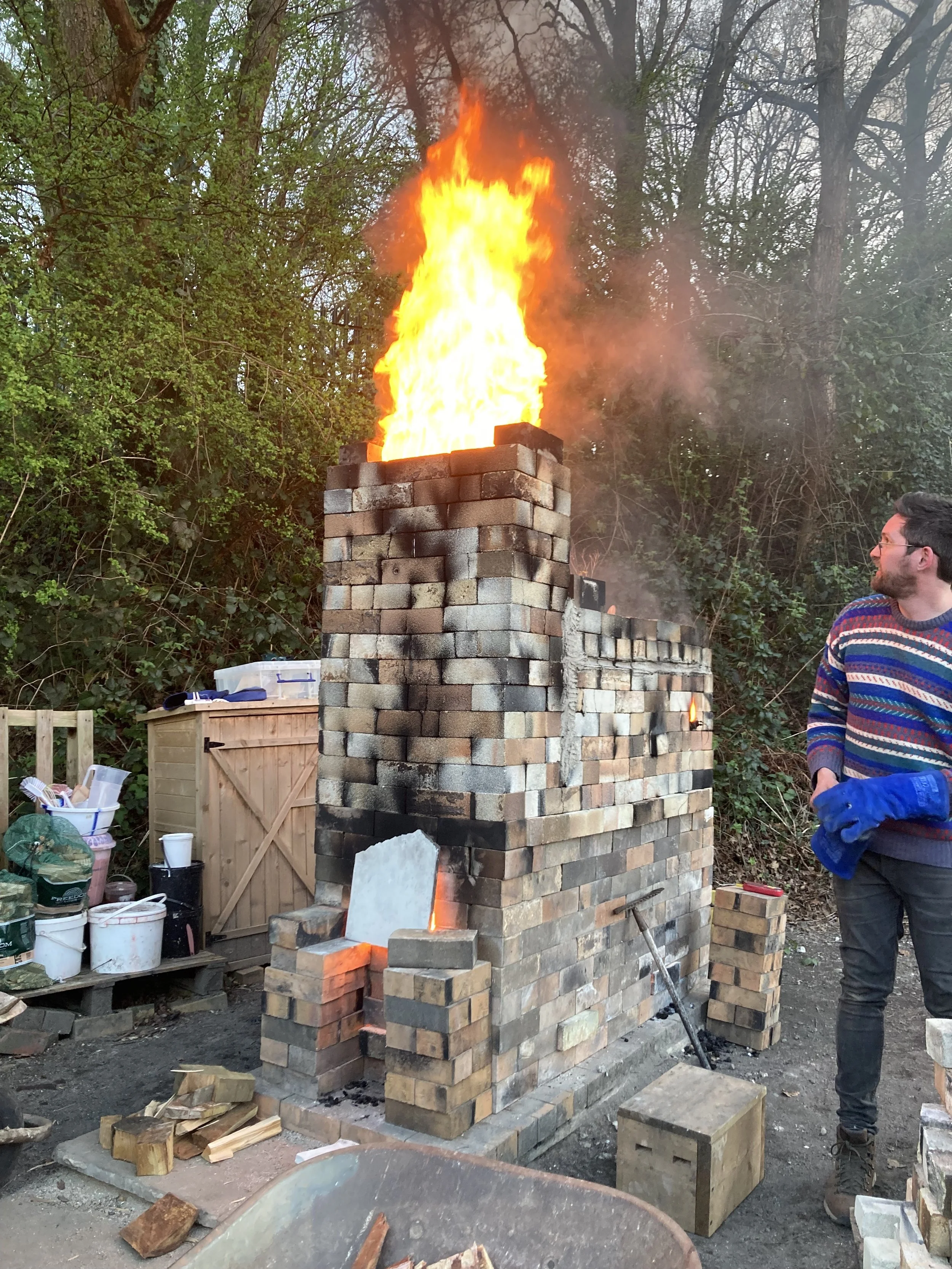
Day TwoFiring the kiln
We implement interactive modules that demonstrate essential techniques, optimize retention, and embed practical competences through guided practice.
Check-In9:00 – 9:30am
Group Activity11:00am
Lunch Break12:30pm
Creative Workshop2:00pm
Dinner6:30pm
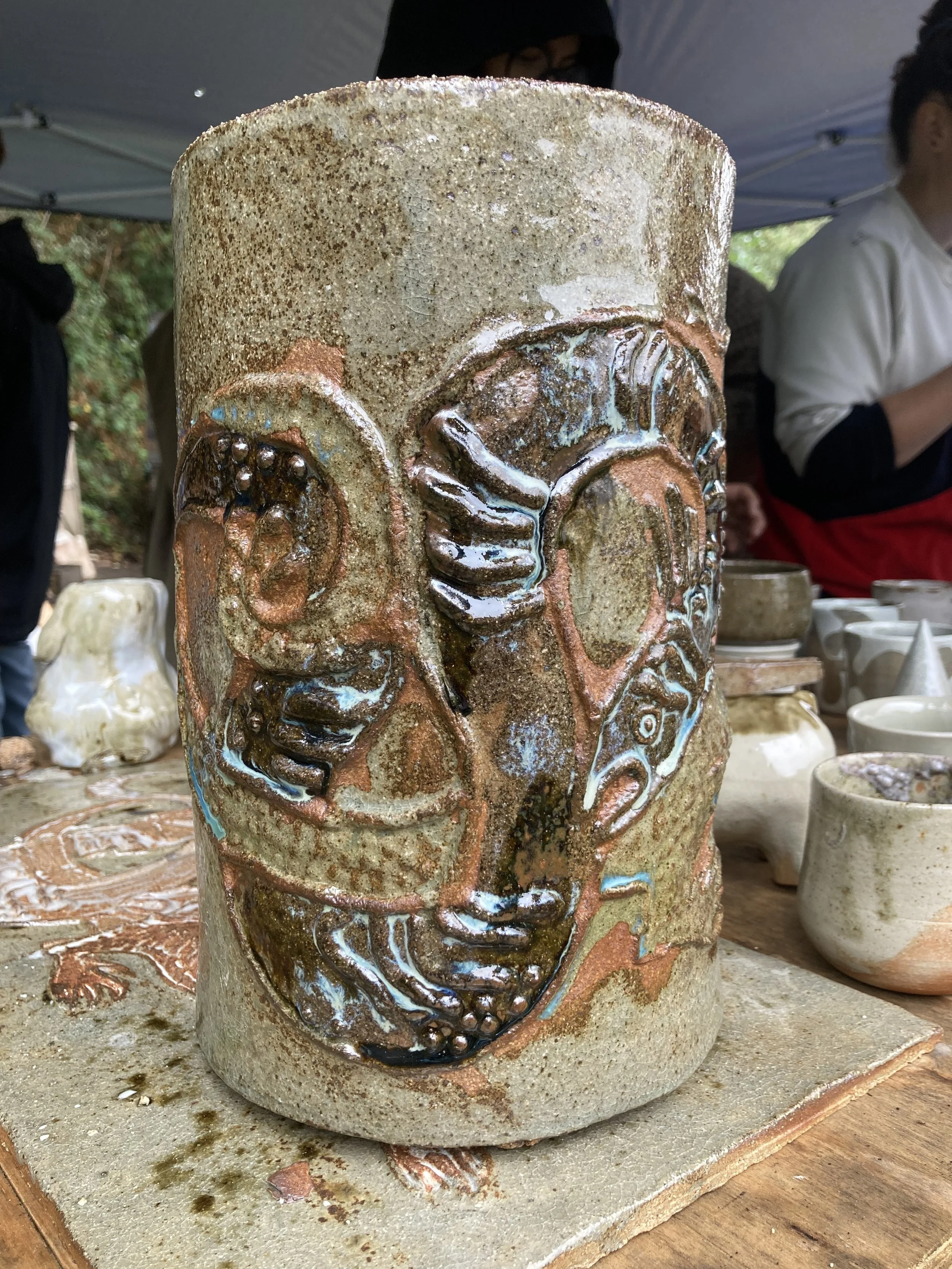
Day ThreeUnloading the kiln and examining the work
Industry leaders present emerging trends, facilitating critical discourse on future challenges and collaborative opportunities.
Check-In9:00 – 9:30am
Group Activity11:00am
Lunch Break12:30pm
Creative Workshop2:00pm
Dinner6:30pm